Why Hire Professional Tree Services for a Thriving Landscape
Sustaining a vibrant landscape necessitates more than just basic care. Specialist tree services deliver specialized knowledge and advanced tools to the table, ensuring trees thrive in their environment. Their knowledge can prevent common problems associated with DIY methods. By understanding tree biology and environmental needs, these professionals improve both aesthetics and safety. However, the gains go beyond mere appearance. Investigating these benefits reveals more profound effects for overall ecosystem health.
The Importance of Hiring Professional Tree Services
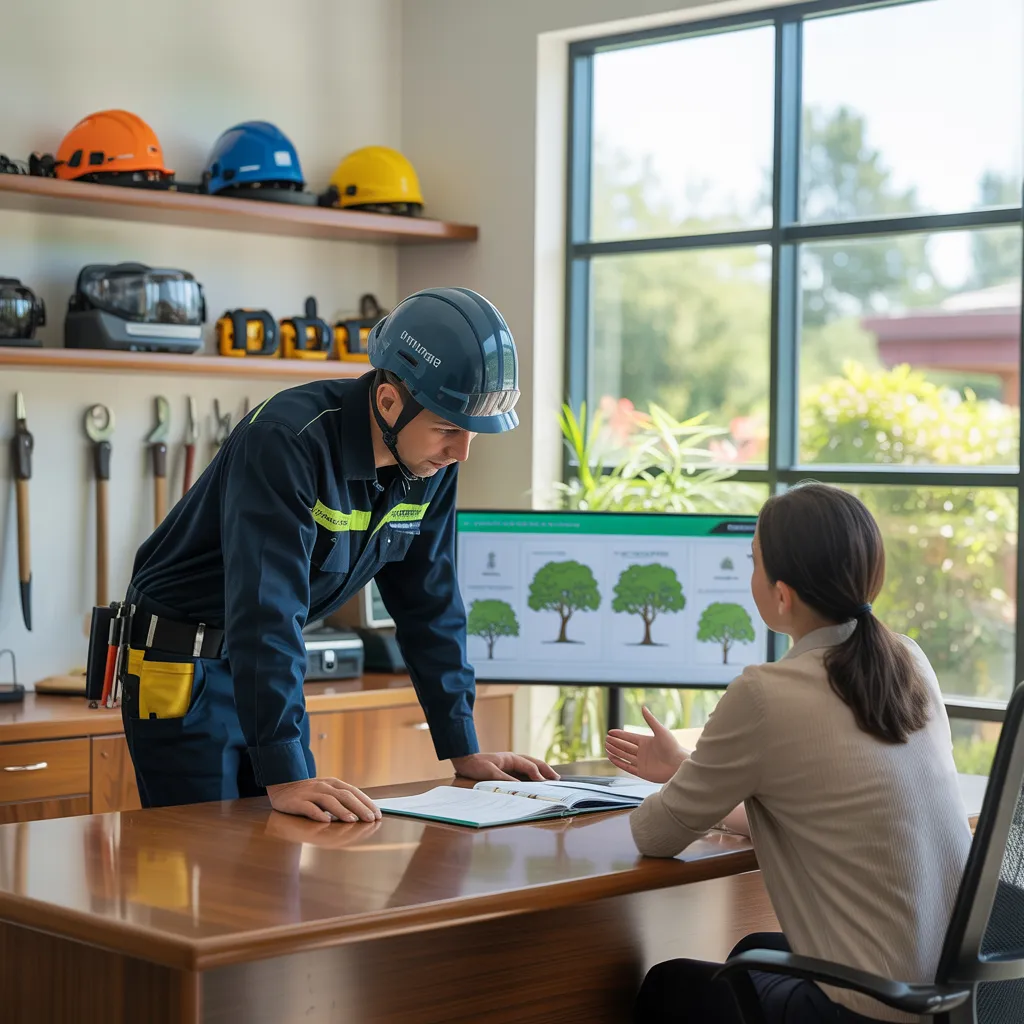
Though numerous homeowners may consider managing tree care independently, hiring professional tree services proves essential for preserving a healthy landscape. Professionals offer a wealth of expertise and skill that can significantly enhance the health of trees and adjacent vegetation. Their knowledge of diverse tree species, growth patterns, and common diseases permits them to diagnose issues correctly and execute effective solutions.
Furthermore, professional tree services use specialized equipment that is often not accessible to the average homeowner. This equipment guarantees that tasks such as pruning, trimming, and removal are conducted efficiently and safely, minimizing the risk of injury or property damage. Additionally, professionals are trained in best practices for tree care, making certain that trees are cared for in a manner that promotes long-term health and vigor. As a result, engaging professional tree services not only protects time and effort but also cultivates a more thriving and durable landscape for homeowners to enjoy.
Comprehending the Significance of Tree Health
The health of trees is essential for sustaining a vibrant landscape, as it directly impacts visual attractiveness and environmental balance. Sound disease prevention strategies and correct pruning techniques are critical for ensuring trees thrive and remain resilient against hazards. Understanding these aspects can contribute to healthier trees and, consequently, a healthier ecosystem.
Tree Disease Prevention
Sustaining the health of trees is essential for any flourishing landscape, as even a single infected tree can compromise the health of its surroundings. Tree disease prevention encompasses proactive measures that safeguard trees from destructive pathogens and pests. Regular inspections by professionals can detect early signs of distress, enabling timely intervention. Techniques such as proper watering, mulching, and maintaining soil health can bolster tree immunity. Furthermore, employing integrated pest management strategies reduces the likelihood of infestations. By making a priority of tree health through preventive care, property owners can create a strong ecosystem that supports not only the trees but also the numerous organisms that depend on them. Utilizing professional tree services ensures that trees remain healthy and resilient for years to come.
Appropriate Cutting Practices
Proper pruning techniques are crucial for supporting the health and longevity of trees. Appropriate pruning stimulates healthy growth by eliminating dead or diseased branches, which can harbor pests and diseases. It also enhances air circulation and sunlight penetration, significant factors for a tree's vitality. Furthermore, strategic pruning shapes the tree, enhancing its structural integrity and lowering the risk of branch failure. Professional tree services are equipped with the knowledge and tools to deliver precise cuts, ensuring minimal damage to the tree. They understand the specific needs of different species and the best times for pruning, maximizing recovery and growth. By implementing expert pruning techniques, homeowners can cultivate a thriving landscape that contributes value and beauty to their property.
Common DIY Tree Care Mistakes You Should Avoid
Several homeowners begin DIY tree care with good intentions, however numerous common mistakes can jeopardize their efforts. One frequent error involves improper watering; underwatering or overwatering can lead to root rot or dehydration, respectively. Additionally, many people fail to research the specific demands of their tree species, leading to insufficient care.
Another common mistake is using the wrong tools for tree maintenance, resulting in inadequate cuts or damage to the tree. Insufficient surveillance for pests and diseases also creates a major risk, as early detection is essential for management.
Furthermore, many homeowners underestimate the critical nature of safety gear, failing to use safety equipment while conducting tree work. Furthermore, severe pruning can be detrimental, as it may strip away necessary foliage and compromise the tree. Avoiding these common pitfalls can lead to healthier trees and a more vibrant landscape.
How Effective Pruning Upgrades Landscape Visual Appeal
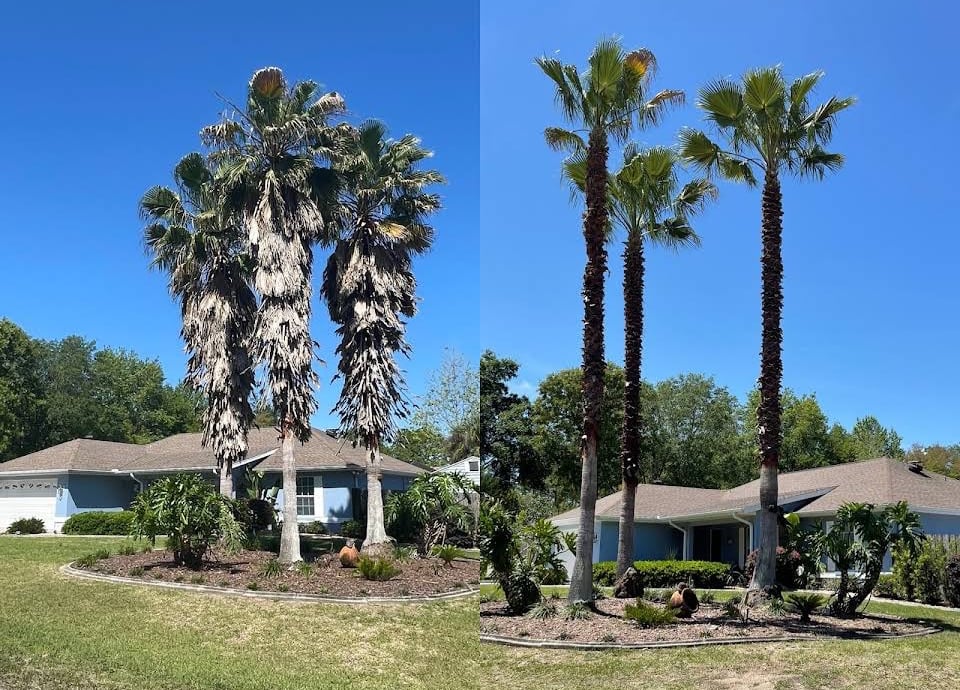
Proper pruning serves as an important technique in enhancing landscape aesthetics, reshaping the visual presentation of trees and bushes. By getting rid of lifeless or unruly branches, professional tree services can greatly improve the health and visual appeal of the foliage. Strategic trimming promotes even development, enabling trees and shrubs to preserve a symmetrical form that complements the surrounding environment.
Furthermore, properly pruned plants can exhibit their organic elegance, highlighting elaborate branching patterns and brilliant blooms that may otherwise go unnoticed. This thorough attention to detail not only enhances the complete landscape design but also creates a more inviting atmosphere for homeowners and visitors alike.
In addition, strategic pruning can enhance light penetration and air circulation throughout the landscape, encouraging thriving plants and a more vibrant ecosystem. In the end, proper pruning is a crucial aspect of landscape maintenance, contributing to a more refined and aesthetically pleasing outdoor space.
Preventing Tree-Related Safety Issues on Your Property
Tree maintenance goes beyond visual appeal; safety remains a critical priority for property owners. Failing to maintain trees can cause dangerous situations that endanger both property and persons. Expert tree care providers serve a vital function in detecting and reducing these risks. Trained arborists assess tree health and structural integrity, ensuring that potential threats are addressed proactively.
Consistent inspections can stop situations like dropping limbs or trees being uprooted, particularly during storms. In addition, experts can propose appropriate tree placements, limiting interference with utility lines and structures. They also deliver guidance on species selection, preferring varieties that are less likely to experience disease or structural failure.
Identifying Common Tree Hazards on Your Property
Recognizing tree hazards on a property is vital for maintaining safety and health in the landscape. Homeowners should carefully examine for leaning trees, which may suggest instability, as well as any dead or dying foliage that indicates potential issues. Additionally, examining root damage can uncover underlying problems that may threaten tree health and pose risks to surrounding structures.
Slanting Trees Evaluation
Leaning trees can pose significant hazards to both property and safety, making their inspection an essential aspect of landscape management. When trees lean excessively, they may indicate structural weaknesses or root instability, increasing the risk of falling during storms or high winds. Property owners should regularly examine their trees for signs of leaning, particularly after heavy rainfall or strong winds, as these conditions can exacerbate the problem. Professional tree services use specialized techniques to evaluate the health of leaning trees, delivering insights into potential risks. They can recommend remedial actions, such as cabling or bracing, to stabilize the tree or, if necessary, provide guidance for safe removal. Regular inspection ensures a safer landscape and protects investments in property and surroundings.
Deceased or Deteriorating Greenery
Indicators of dead or dying foliage can reveal fundamental problems impacting the health of trees on a property. Discoloration, wilting, or premature leaf drop are frequent markers of stress and potential disease. Trees may also exhibit dieback, where branches begin to decline, often due to environmental factors or pest infestations. Homeowners should be vigilant about these signs, as they can cause progressive damage if left unaddressed. Additionally, dead branches present danger, especially during storms explore this topic or high winds. Utilizing expert tree care providers can offer specialized diagnosis and restoration solutions to restore tree health. Detecting and managing dead or dying foliage early is critical to preserving a vibrant landscape and preventing hazards that could affect surrounding plants or property.
Root Damage Evaluation
Although numerous property owners value the visual appeal of trees, they often neglect the significance of assessing root health, which serves a critical function in the complete stability and vitality of the landscape. Root deterioration could cause substantial risks, encompassing tree instability and prospective property destruction. Common indicators of root issues include visible cracks in the soil, leaning trees, and discolored foliage. Property owners must remain alert to these indicators, since they could represent damaged root structures caused by illness, insects, or ecological pressure. Expert arborist companies can perform comprehensive root damage evaluations, offering specialized knowledge in detecting fundamental issues and suggesting suitable remedies. This proactive approach helps guarantee a healthier landscape and reduces the risk of dangerous tree failures.
The Role of Tree Services in Supporting Biodiversity and Ecosystem Health
As urbanization and environmental changes threaten natural habitats, professional tree services play an essential role in promoting biodiversity and improving ecosystem vitality. These offerings deliver the proper care and maintenance of trees, which are essential to regional wildlife populations. Robust trees deliver nourishment, refuge, and breeding habitats for various species, from flying creatures to invertebrates.
In addition, tree services actively participate in habitat restoration, planting native species that support ecological balance. By maintaining tree health and reducing disease, these professionals contribute to sustaining the resilience of urban forests, helping them to withstand environmental stressors.
Moreover, tree services are involved in education and advocacy, elevating awareness about the critical role of trees in carbon sequestration and air quality improvement, further benefiting the ecosystem. In the end, their expertise cultivates a thriving environment that supports numerous plant and animal life, highlighting the fundamental connection between tree health and overall ecosystem well-being.
Questions & Answers
How Frequently Should I Arrange Tree Services for Maintenance?
Specialists advise scheduling tree services at least one time annually for maintenance. However, according to tree species, age, and local climate conditions, more regular visits may be helpful to maintain ideal health and growth.
What Qualifications Should I Search for in a Tree Care Company?
In choosing a tree service company, one should consider certifications, insurance protection, industry experience, and client reviews. In addition, verifying conformity to industry standards and getting written estimates will guarantee quality and reliability in their services.
Is Tree Service Insurance Required and What Does It Cover?
The majority of reputable tree services carry insurance, which typically provides protection for liability for worker injuries and property damage. This insurance makes certain that clients are protected from financial liability in instances of accidents throughout tree care operations.
How Can I Assess Whether a Tree Service Is Credible?
To assess if a tree service is credible, you should check for licensing, insurance, client testimonials, and professional affiliations. In addition, getting multiple quotes can provide information about their credibility and quality of service.
What Is the Average Cost of Professional Tree Services?
Average pricing for professional tree services generally falls from $200 to $1,500, determined by factors like tree size, location, and service type. Property owners should get multiple quotes to ensure quality service and fair pricing.